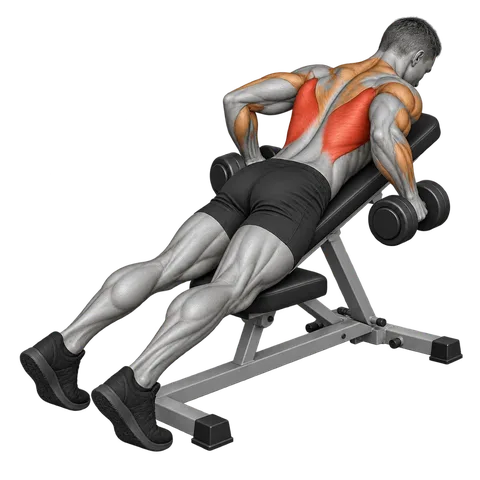
How to do the chest-supported dumbbell row
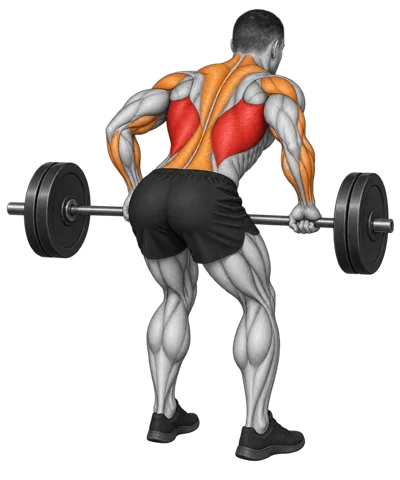
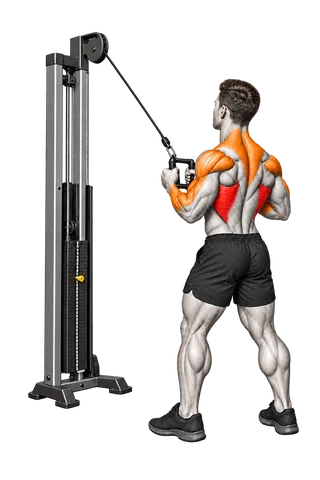
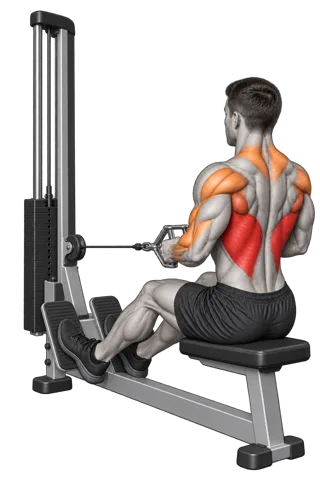
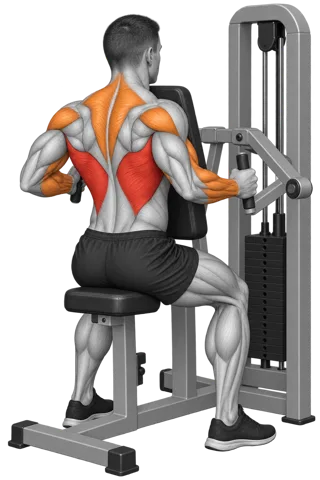
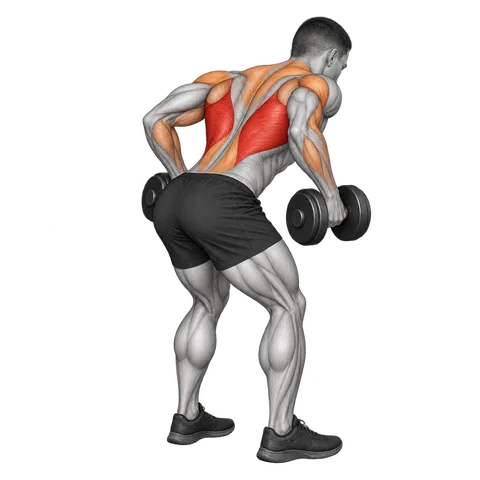
The chest-supported dumbbell row is a row done lying face down on an incline bench. It trains the lats, with the traps, rear delts, biceps and forearms helping. The bench takes the lower back out of the lift, so it suits beginners and anyone who wants strict back work.
Setup
- Set an incline bench to about 30 to 45 degrees.
- Lie chest down on the bench with your chin just over the top.
- Place your feet on the floor or on the bench base for support.
- Let a dumbbell hang in each hand below your shoulders, palms facing in.
One rep
- Brace your core and keep your chest on the pad.
- Row your elbows back toward your hips.
- Squeeze your shoulder blades together at the top.
- Hold for a moment.
- Lower the dumbbells under control until your upper back and lats stretch.
Common mistakes
- Lifting your chest off the pad uses momentum, so keep your chest in contact for the whole set.
- Shrugging the dumbbells up moves the work to the traps, so keep your shoulders away from your ears.
- Stopping short at the bottom cuts the stretch, so let your arms hang straight between reps.
- Using dumbbells that are too heavy cuts the range, so pick a weight you can row to your ribs.
Tips
- Breathe out as you row and breathe in as you lower.
- Take two seconds on the way down.
- Turn your palms to face your feet and flare your elbows if you want more upper back work.
Sets and reps
Do 3 to 4 sets of 8 to 12 reps. Use it as a main or second row in a back workout.
Muscles worked
The main muscle is the lats. It also trains the traps, rear delts, biceps, forearms. In FORCE, each set you log counts toward the recovery of the main muscle, and a share counts toward the helper muscles.
How FORCE coaches the chest-supported dumbbell row
- Next-set weight. Log the weight, the reps and the reps you had left. FORCE gives the weight for your next set. How the coach works
- Recovery. Your sets update the ready time of the lats. Recovery in FORCE
- Warm-ups. FORCE plans warm-up sets from your working weight.
- Swaps. If a helper muscle is not ready, the coach suggests another exercise for the lats.